Seminary education has always faced its detractors, those who dismiss it as a place of theory, disconnected and irrelevant to the practice of “real” ministry. Changing denominational expectations, financial pressures and criticism of higher education in the broader culture have, in recent years, added to the negative perceptions. This, combined with the growth of ministry residencies and “in-house” development of pastoral leadership, has led some to question the need for theological education, particularly on the graduate level. Certainly, we cannot dismiss genuine financial concerns, and we should never diminish the necessity of contextual ministry training. The legitimacy of these issues, however, does not lessen the importance of a seminary education. One might even argue that our cultural moment makes it even more valuable.
In “The Congregation in a Secular Age,” Andy Root invites us to consider how the church has been impacted by the “age of accelerated time.” A culture that demands constant innovation, ever-increasing efficiency and ever-expanding productivity has left its deleterious mark on our communities of faith. Ministry leaders feel pressure to produce and perform, generating the measurable results necessary to prove their effectiveness. Buffeted by the seemingly ceaseless winds of change, pastors run to conferences, listening to the must-hear podcasts and reading the latest books along the way, trying desperately to keep their ministry on the cutting edge. In such a climate, pastoral ministry can easily become more about entrepreneurship and innovation than it is about shepherding.
Ministry leaders are not alone in experiencing the effects of the accelerated age. Congregations also bear the weight as they look around to see “celebrity pastors” and large churches platformed as the models of success, which can lead them into destructive patterns of comparison. The pressure to “compete” elevates their demand for more programs, expanding platforms and higher visibility. But the consumeristic drive to offer and achieve more is a hard taskmaster, one that is never satisfied in a world of constantly changing expectations and expressions of ministry. In such an age, a local church can easily feel left behind and insignificant.
The accelerated age has, in various ways, left us rootless, drifting from one trend to another, grasping at every technique that comes along in the hopes of being more productive. That is not to say that practical ministry skills, learning from other disciplines and faithful adaption to the context don’t matter for ministry leaders. These things matter greatly and must be a part of the skill set in ministry. Likewise, innovation and an entrepreneurial spirit are not wrong in themselves. But when we allow ourselves to be formed by the culture of efficiency and effectiveness, we can fall prey to the idolatry of the pragmatic. The notion of what “works” becomes synonymous with faithfulness, leaving us in the endless cycle of always looking for something that works better.
The implications for ministry are significant. In our attempts to achieve a particular model of success, we can easily lose the essential elements of community, discipleship and spiritual vitality. It is entirely possible, in this accelerated age of consumer-driven productivity, to lose the soul of ministry even while building a church that meets the cultural measures of achievement. The flash of media, technology platforms and the newest trends can blind us to the deeper questions of Christian formation, leading us to plant seeds in shallow soil, which spring up quickly and look productive, but ultimately fail to produce genuine fruit because the plants lack healthy roots.
And for these reasons, seminary matters.
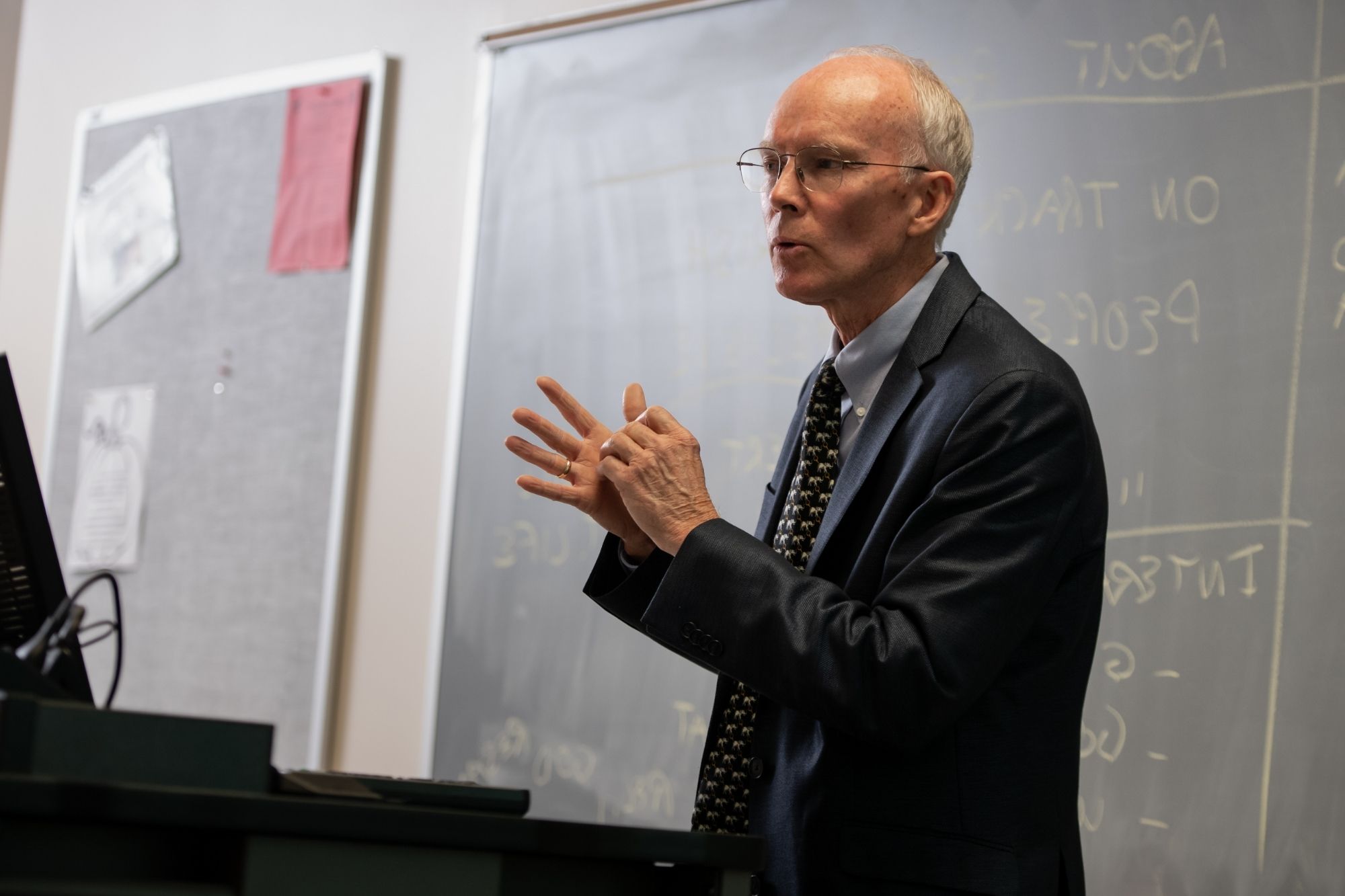
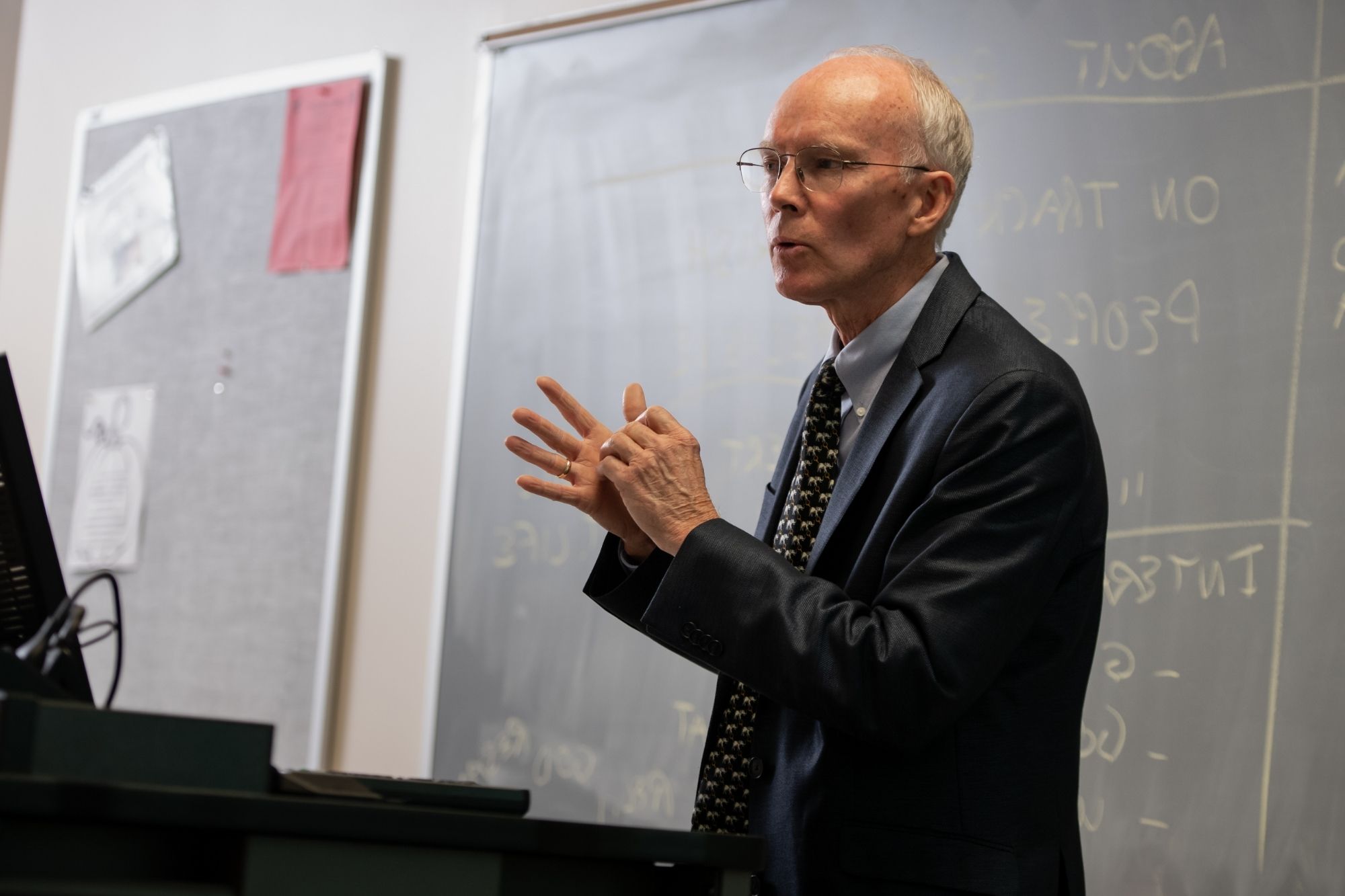
A seminary education is far more than the accrual of information or the development of ministry skills, although both are essential aspects of a graduate theological program. It is an invitation to slow down, step back and enter into the richness of the historic Christian tradition. Through disciplined reading and research, a seminary student is formed by the faithful voices who have gone before us and the gifted professors who preserve and interpret those voices. In a community shaped by biblical and theological reflection, seminarians are challenged to contemplate the story we tell, what we do and who we are as God’s people. Seminary education develops practices that lead toward pastoral presence, not practices that replace presence. It does not ignore the current cultural context, but equips ministry leaders to respond faithfully within the culture and not be reactively formed by the culture.
In an age that feels rootless, one that is chasing endlessly after innovation and productivity with no sense of grounding, a seminary education provides the ministry leader with a broader and more enduring vision. This cultural moment calls for deeper roots. When content is measured by its marketability and appeal, we need preachers who speak from their own authentic encounter with God through the Scripture, willing to bear the voice of both the shepherd and the prophet. In an age of virtual connections and realities, we need shepherds who embody faithful presence, building a genuine community of grace where people are known and embraced in love. In a time of moral complexity, we need pastor-theologians, grounded in the historic faith, who can guide the church through hard conversations with wisdom and courage. When innovation and productivity reign, we need leaders who can distinguish the fresh wind of the Spirit that renews from the human ambition to achieve. In our world of same-day deliveries, we need those who know how to walk the long, slow path of discipleship and formation.
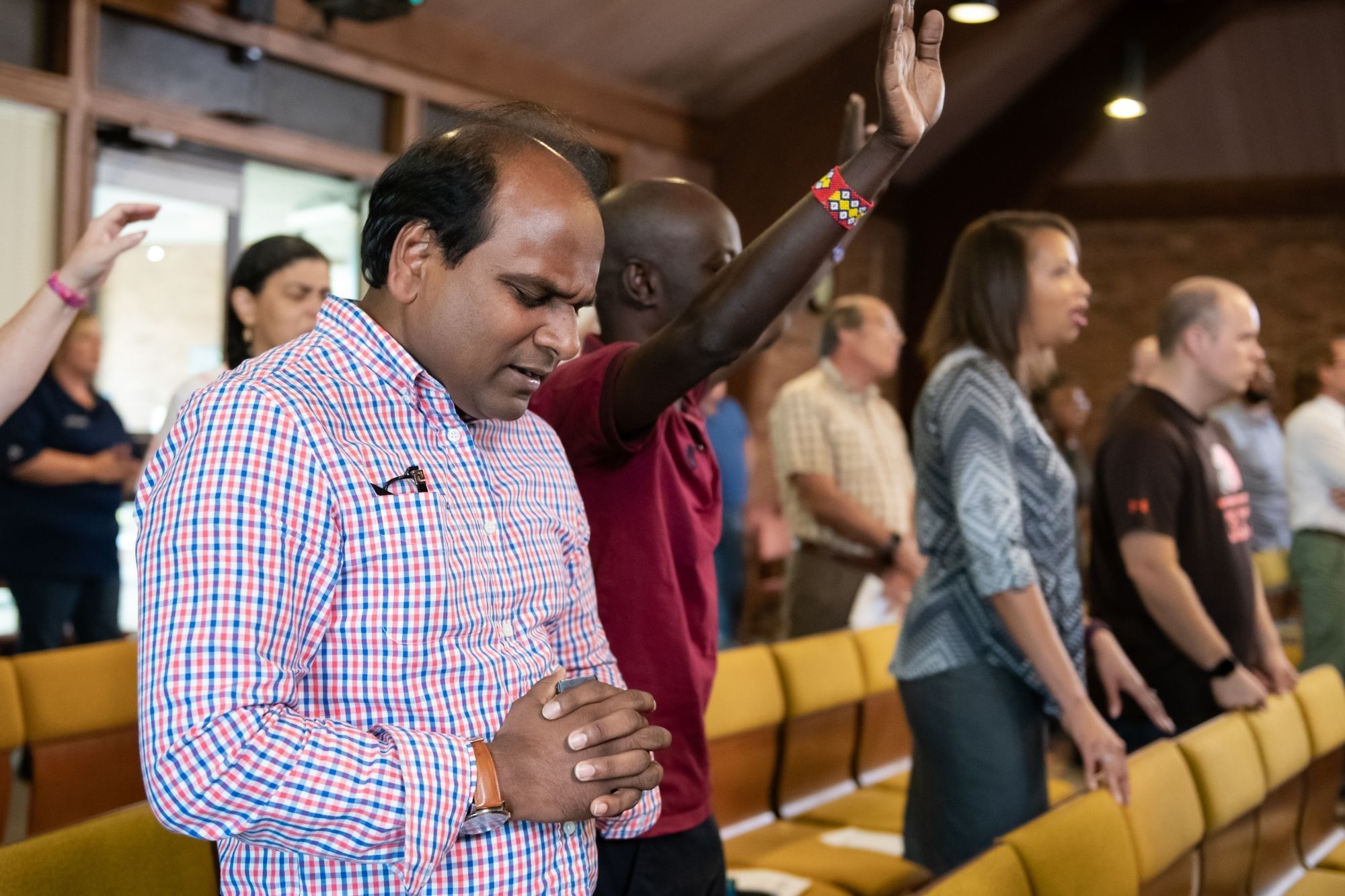
Why does seminary matter? Because those in ministry are not called to nurture the ways of an accelerated age with its compulsive productivity, but to model and lead others in the way of Jesus. To do so faithfully requires deep roots that remain firmly planted in good soil, even as we grow and change in response to the Spirit. Seminary matters because it is more than a degree program. It’s a community that cultivates the deeper roots of faith, understanding and practice essential for ministry in a seemingly rootless age.