



The Doctor of Ministry in Spiritual Formation:

Tending to the Inner Life

Tending to the Inner Life

Douglas Van Nest, D.Min.
gradient line

In The Wounded Healer, Henri Nouwen said the one who can “articulate the movements of his inner life, who can give names to his varied experiences, need no longer be a victim of himself, but is able slowly and consistently to remove the obstacles that prevent the Spirit from entering.” While there is no question that a life of ministry is filled with complex challenges, personal hardships and on-going frustrations we cannot control, I also discovered along the way the need to confront an uncomfortable truth: I could also be a victim of myself. The failure to tend to my inner life with discernment and honesty created barriers to the work of the Spirit within, which in turn hindered relationships and generated obstacles in the path of ministry.

Sometimes, what works against our fulfillment, longevity and resilience in ministry is not a lack of the skills and competencies needed for pastoral work or the challenges of where we serve, but rather the hidden obstructions within us, the movements of the inner landscape we have not named. It is often the unrecognized and untended issues beneath the surface that lead us to relational disruption, failures of leadership and disappointment in our vocation. Despite our attempts to maintain a carefully manicured image for others to see, the wounds, insecurities and ambitions lurking beneath the surface will always bubble up to sabotage our efforts, manifesting themselves in weariness and eventual burnout. Those who do not tend to the inner life will, eventually, become victims of themselves.

Few would disagree with Nouwen’s assessment or the assertion that we must faithfully tend to our personal formation, growth and healing, but doing so with intentionality and consistency is far more challenging than simply acknowledging the need. And the unique temptations and demands in ministry can make it even more difficult. For those providing spiritual care and guidance to others, the work itself can easily become a substitute for one’s own spiritual practices. In a culture of “bigger is better,” our insecurities and ambitions can be conveniently masked by the language of mission and church growth. Pastors are given a platform, but along with it comes the pressure of maintaining a particular public image. These realities, in one way or another, continually direct our attention outward, making us susceptible to neglect of the inner life. Ironically, serving in ministry is not always conducive to the spiritual formation of the minister.

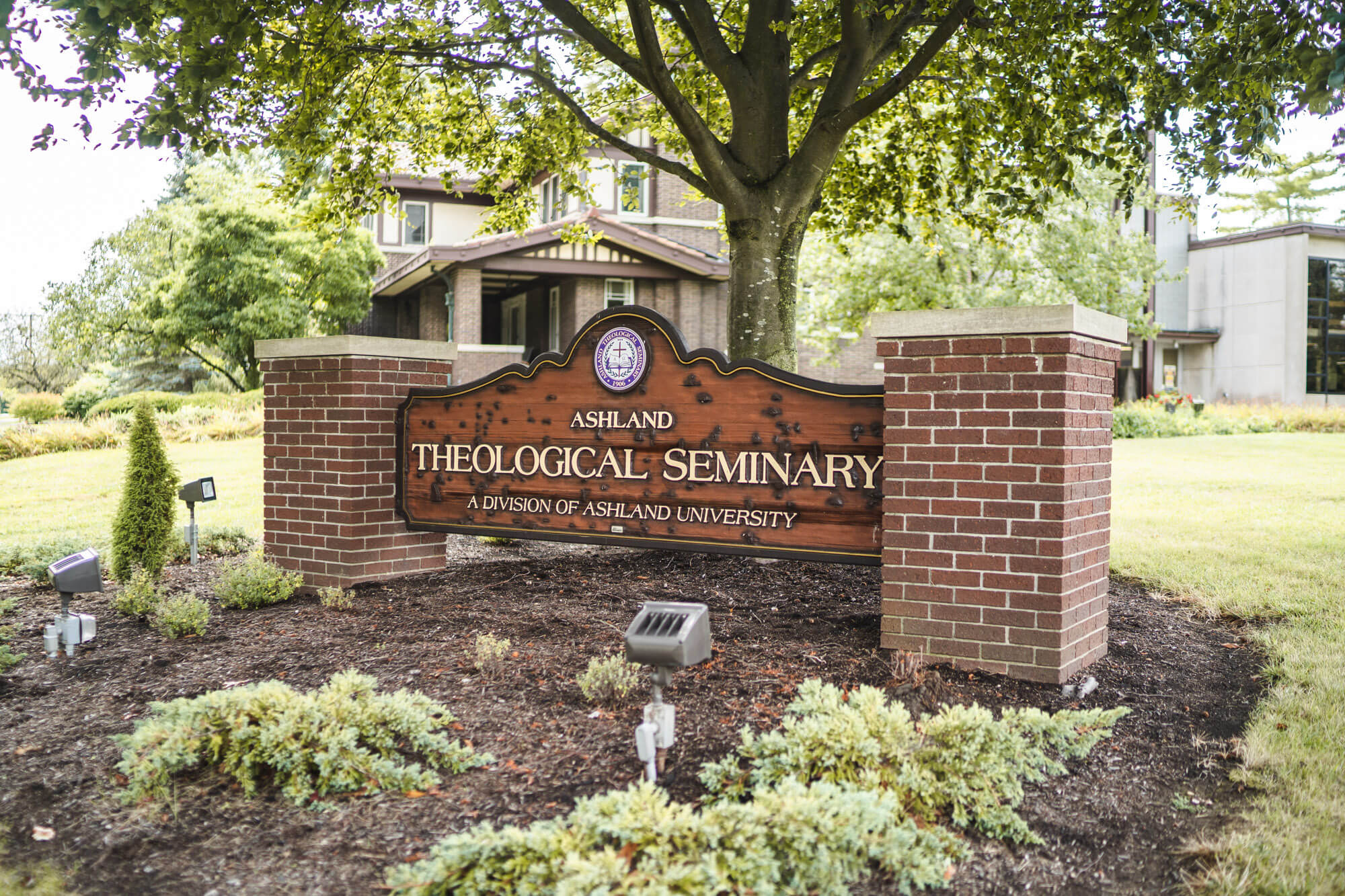
Personal wellbeing and thriving in ministry are both critically dependent on the careful tending of the inner life. We cannot move toward wholeness without giving attention to the Spirit’s work within, and we cannot remain healthy in ministry without drawing from deep wells of spiritual vitality. At Ashland Theological Seminary, we embrace spiritual formation as one of our core values, and that is why we developed a new Doctor of Ministry in Spiritual Formation. Grounded in Paul’s vision expressed in 2 Corinthians 3:18, the program draws from multiple streams of the Christian tradition in reflecting on work of the Spirit in our lives, the work that transforms us into the image of Christ with ever-increasing glory. More than an academic endeavor, it is meant to be a personal encounter. It is not just about spiritual formation, but a means of spiritual formation.

The Doctor of Ministry in Spiritual Formation will, without question, challenge you to expand your knowledge of the rich biblical, theological and historical resources of formation in the Christian tradition. It will engage you in the practice of ministry, equipping you to faithfully care for others in their journey of spiritual formation. But on a deeper level, it will invite you to tend to your own inner life in new and intentional ways. It is an opportunity to turn your attention inward, to the voice and movement of the Spirit, allowing the transforming work of grace to remove the barriers and renew your spirit so you do not become, in Nouwen’s words, a victim of yourself. Here at Ashland Theological Seminary, our hope and prayer is that, beyond the academic achievements and ministry skills gained, this program will become a lifeline of wellbeing for those who serve the church.

About the Author,
Douglas Van Nest, D.Min.

Assistant Director of Advanced Degrees and Field Education
gradient line
Doug Van Nest

An ordained elder in the Church of the Nazarene, he spent 20 years in pastoral ministry and nearly a decade as a district superintendent prior to his time in higher education. While his primary avenue of ministry in recent years has been education, he has also continued to serve local churches through interim pastorates and pulpit supply.

Doug has taught preaching, worship, and pastoral care, but his primary area of interest is spiritual formation. He finds joy in helping others discover and develop formative practices in their own spiritual journey. He’s also a lover of the mountains, taking walks, reading, hot peppers, and good BBQ.

Doug and his wife, Lisa, have two adult sons and a spoiled black lab.

More Articles